
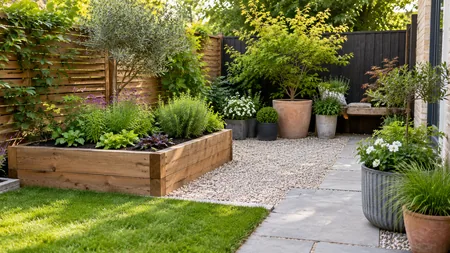
A small garden should not feel like another job waiting for you every weekend. If you are always pulling weeds, watering thirsty pots, trimming plants, and replacing flowers, the problem may be the setup rather than the size of your garden.
The best low maintenance small garden ideas make each part of the space easier to look after. That might mean covering bare soil, choosing plants that suit the spot, using fewer plant types, or grouping containers where they are quicker to water.
You do not need to strip everything out and start again. Even one smart change can make a small yard, patio, or garden bed much easier to manage.
The ideas below are made for busy gardeners who still want a space that feels green and cared for. Start with the part of your garden that takes the most time, then use the ideas that make that job simpler.
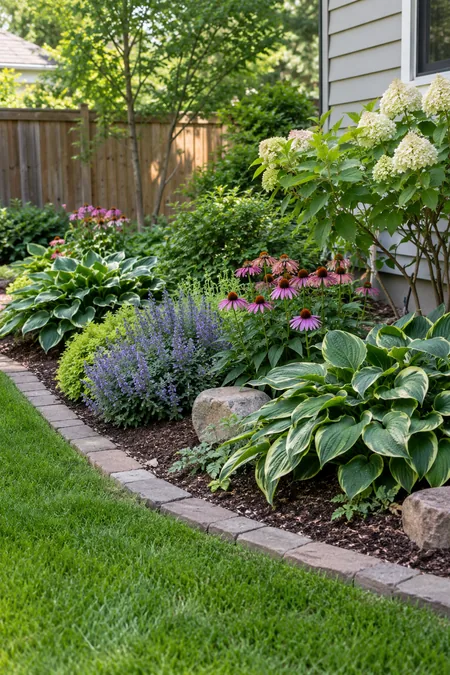
1. Fill One Bed With Easy Perennials Instead of Replanting Every Year
Replanting the same bed every season creates extra work. A better option is to build the main part of the bed with perennials that suit your local conditions and come back year after year.
Keep the layout simple:
- Choose a few dependable plants rather than many different kinds.
- Match them to the light and soil in that spot.
- Leave enough room for each plant to reach its mature size.
You can still add a few seasonal flowers if you enjoy them. Just let the permanent plants do most of the work, so the whole bed does not need rebuilding every year.
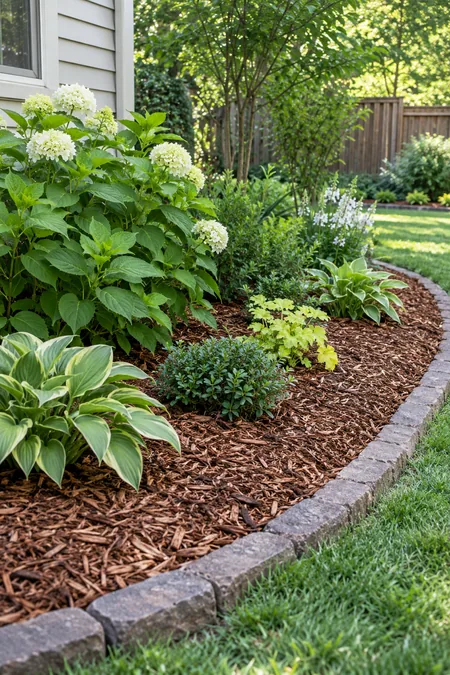
2. Cover Bare Soil With Mulch to Cut Down on Weeding
Bare soil gives weeds plenty of open space to appear. A layer of mulch makes the bed look tidier and can reduce how often you need to deal with new weeds.
Before adding it:
- Pull out the weeds already growing.
- Water the bed if the soil is dry.
- Spread the mulch around the plants.
- Keep it from piling tightly against stems and trunks.
You can use a mulch that fits the look of your garden, such as bark or another suitable garden mulch.
The goal is simple. Cover the exposed soil so there is less bare ground to maintain.
Before you add mulch
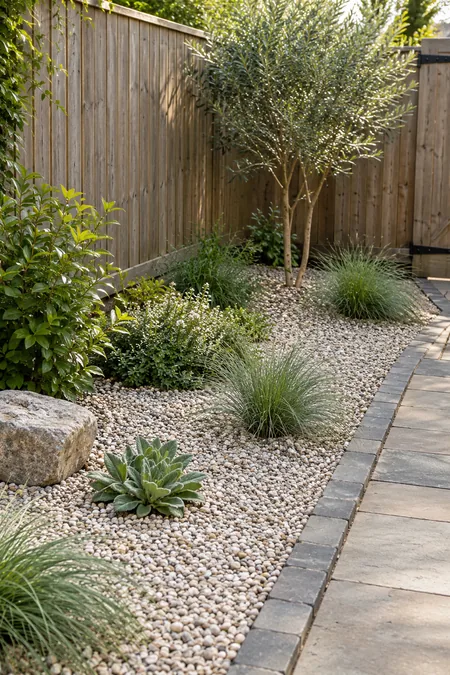
3. Replace a Fussy Lawn Corner With Gravel and Tough Plants
A tiny patch of lawn can take more work than it is worth, especially if it is awkward to mow or sits in a dry corner. Turning that spot into a simple gravel bed can remove one regular garden job.
Keep the design easy.
Use a small number of tough plants that suit the light and growing conditions. Leave clear spaces between them and let the gravel cover the remaining ground.
This works especially well beside paths, fences, or corners where a mower is hard to use.
The finished area should feel open and simple, not packed with lots of tiny plants that still need constant care.
A small awkward lawn corner that still needs mowing, edging, and regular attention.
A simple gravel area with a few well-spaced plants and no tiny patch of grass to mow.
4. Group Pots Together So Watering Takes Less Time
Pots scattered around a patio can turn watering into a walk from one end of the garden to the other. Grouping them in one or two clear areas makes the job much quicker.
Set up the group in three steps:
- Put containers with similar light needs near each other.
- Keep the pots you water most often within easy reach.
- Leave enough space to reach every container without moving five others first.
Try mixing different pot heights so the group still looks interesting.
You will spend less time hunting for containers, and it becomes easier to notice when one plant needs attention. If you want to plan the arrangement before buying pots, the Balcony & Windowsill Pot Planner can help you match container sizes to a small space.
Move pots with similar light needs into one clear area.
Keep the thirstier containers near the front where they are easy to check.
Leave a little working space so every pot stays easy to water.
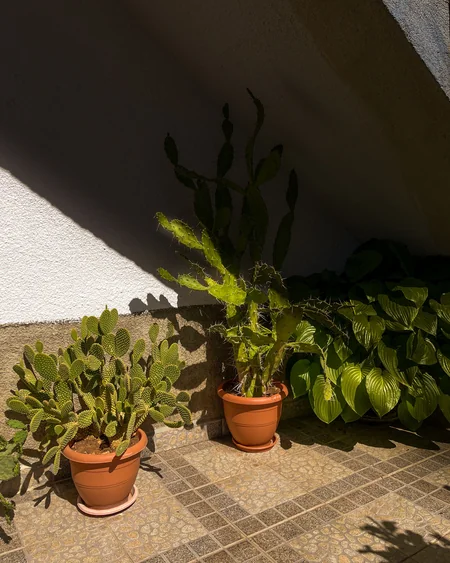
5. Choose Drought-Tolerant Plants for the Sunniest Spot
A hot sunny corner can become a daily watering problem if it is filled with plants that prefer more moisture. Instead of fighting the spot, choose plants that are better suited to dry, sunny conditions in your area.
Start with the site, not the plant label.
Look at:
- How much direct sun the area gets
- How quickly the soil dries
- How much space the plant will have
- What grows well in your local climate
A plant that naturally suits the spot usually asks less from you than one that is always struggling there.
That means less rescue watering and fewer plants that need replacing.
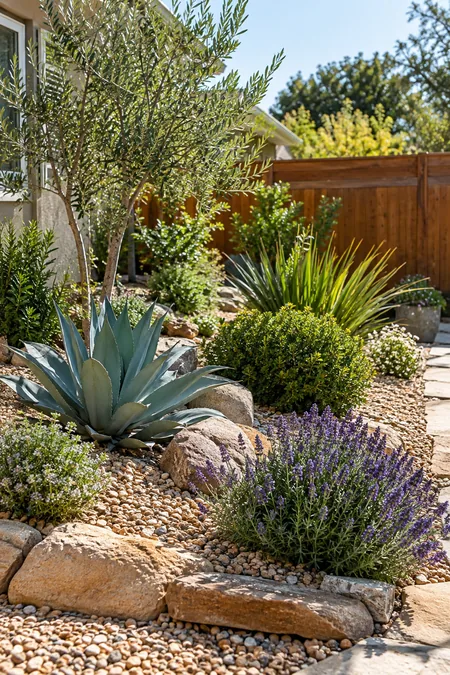
6. Use Larger Containers That Do Not Dry Out as Fast
Tiny pots may look neat, but they often need water more often. A larger container holds more soil, so it usually stays moist for longer.
That can make a big difference in a busy week.
Choose a pot that:
- Has drainage holes
- Fits the plant when it reaches a larger size
- Is not too heavy to move if needed
- Matches the light in that spot
You do not need giant pots everywhere. Just replace the smallest, thirstiest containers first.
A few well-sized pots are often easier to care for than a large group of tiny ones.
💡 Quick Tip
If one small pot dries out much faster than everything around it, move that plant into a larger container before adding more plants.
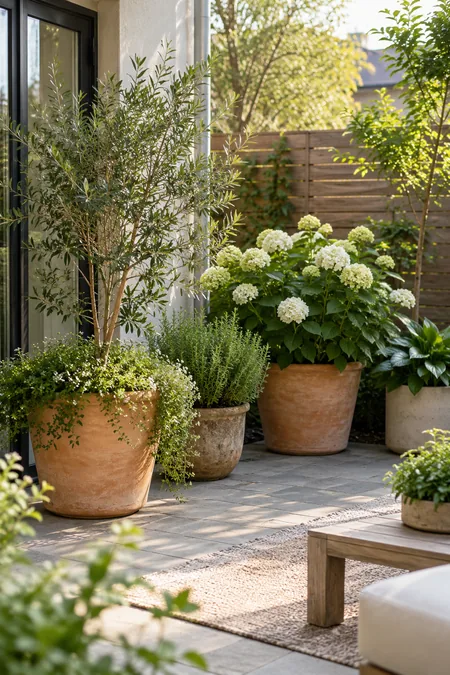
7. Stop Overcrowding Small Beds With Too Many Plant Types
A small bed can become hard to care for when every plant grows at a different speed and needs different attention.
More variety is not always better.
Try using fewer plant types and repeating them across the bed. This makes it easier to spot weeds, water properly, and see when one plant needs help.
Keep the layout simple:
- Repeat the same plants in small groups.
- Leave room between different plant types.
- Avoid filling every empty gap on day one.
A low maintenance small garden usually looks calmer when the design has some repetition instead of one different plant in every space.
Repeat a few reliable plants through the bed.
Leave some open space for growth.
Do not add a different plant to every small gap.
Do not crowd young plants just to make the bed look full.
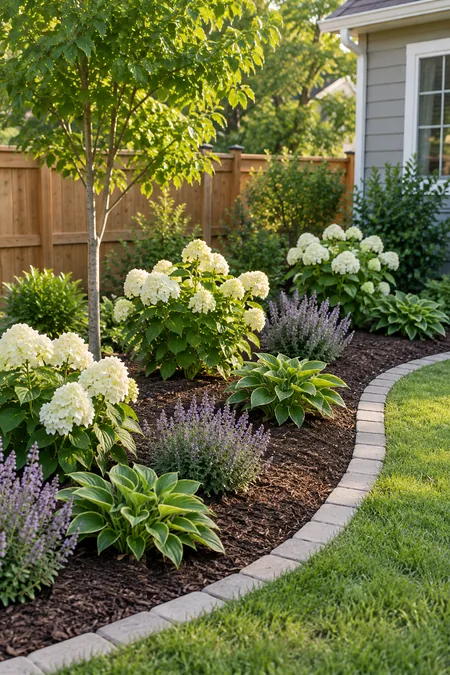
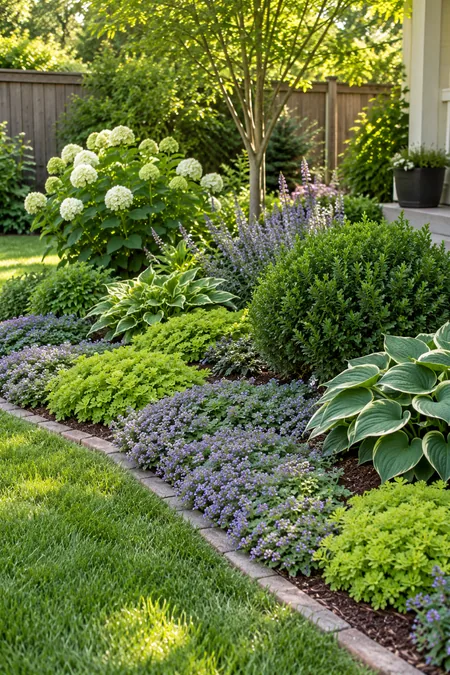
8. Pick Ground Covers Instead of Leaving Weed-Friendly Gaps
Open soil between larger plants can turn into a regular weeding job. Ground cover plants can help fill those gaps while keeping the garden looking green.
They work best when you choose a type that suits the light, soil, and space.
Compare the two approaches:
Bare gaps: easy for weeds to appear and may look unfinished.
Ground cover: fills the space with living plants and can make the bed feel more complete.
Do not choose something that spreads too fast for your small garden. The best ground cover is one you can still control without creating a new job.
| Ground Cover | Bare Soil |
|---|---|
| Fills open spaces with living plants. | Leaves more open space for weeds. |
| Makes the bed look more finished. | May need more regular weeding. |
| Needs the right plant for the space. | Easy to change later. |
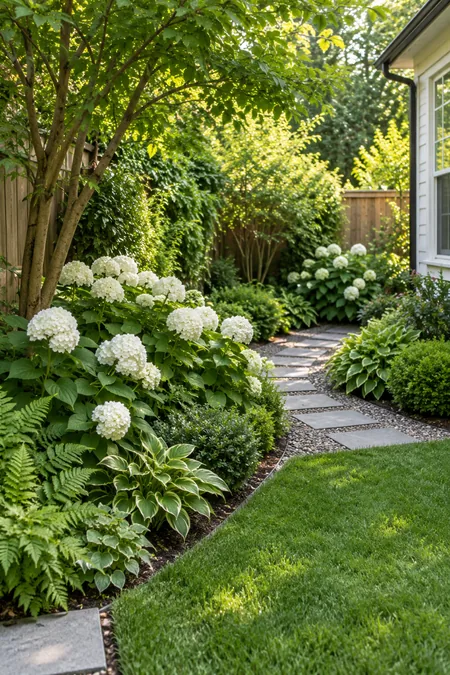
9. Create One Simple Color Scheme Instead of Mixing Everything
A small garden can feel busy very quickly when every plant has a different flower color, leaf shape, and pot style.
A simple color plan makes the whole space easier to design.
Choose one main direction, such as:
- Green with white flowers
- Green with soft purple
- Green with warm pink
- Mostly green with a few seasonal flowers
This also makes shopping easier because you can quickly skip plants that do not fit your plan.
The garden does not need to look plain. Repeating the same few colors can make a small space feel calmer and more put together.
You do not need more colors to make a small garden interesting. Repeating two or three tones can make the whole space feel calmer and easier to plan.
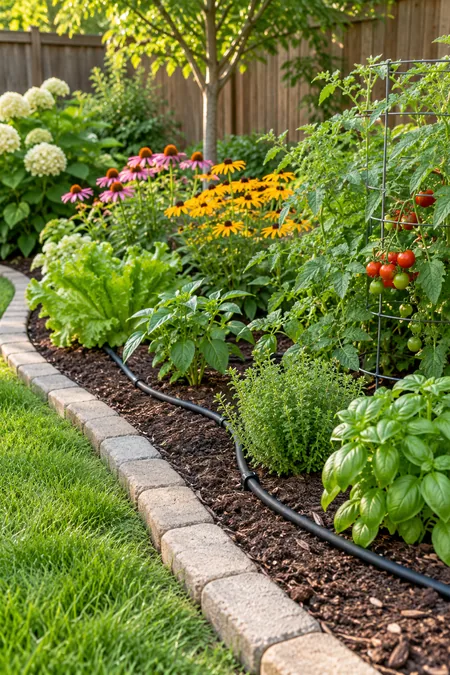
10. Add Drip Irrigation or a Soaker Hose to a Small Garden Bed
Hand watering every plant can take more time than the garden itself. A simple drip line or soaker hose can make regular watering much easier in one small bed.
Keep the setup basic.
Before you start:
- Group plants with similar water needs.
- Place the line close to the root area.
- Check that water is reaching the whole bed.
- Watch the soil and adjust how often you water.
Do not assume the system can run without checking it. Plants still need attention.
The benefit is that you can water the bed in a more steady way without standing there with a hose every time.
Before you set it up
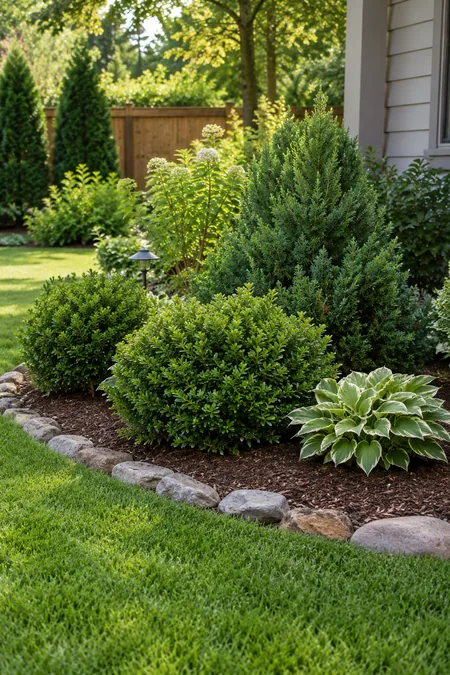
11. Plant Evergreen Shrubs for Structure Without Constant Replanting
A small garden can look empty in some seasons if it depends only on flowers. Evergreen shrubs help give the space a steady shape all year.
The key is choosing shrubs that stay a sensible size for your garden.
Look for plants that:
- Fit the light in your space
- Will not outgrow the bed quickly
- Need only light trimming
- Work well with the rest of your planting
A few well-placed evergreen shrubs can make the garden feel finished even when other plants are resting. They also give you a simple base to build around.
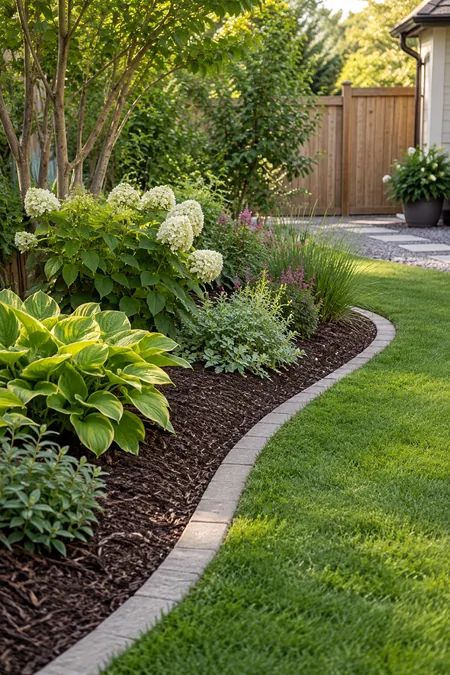
12. Trim Bed Edges Once and Make Them Easy to Maintain
Messy garden edges can make the whole space look untidy, even when the plants are healthy. A clear border makes a small garden feel more finished.
You do not need a fancy design.
Use a simple edge that you can keep up with:
- Mark one smooth line around the bed.
- Remove grass or weeds that cross into it.
- Add a simple border if it helps hold the shape.
- Check the edge now and then instead of fixing it every week.
Straight lines or soft curves are both fine. The best edge is the one you can maintain without much effort.
Choose one simple line for the bed edge.
Clear grass and weeds that cross into the bed.
Use a simple border if you need help keeping the line neat.
13. Turn a High-Maintenance Flower Patch Into a Simple Gravel Garden
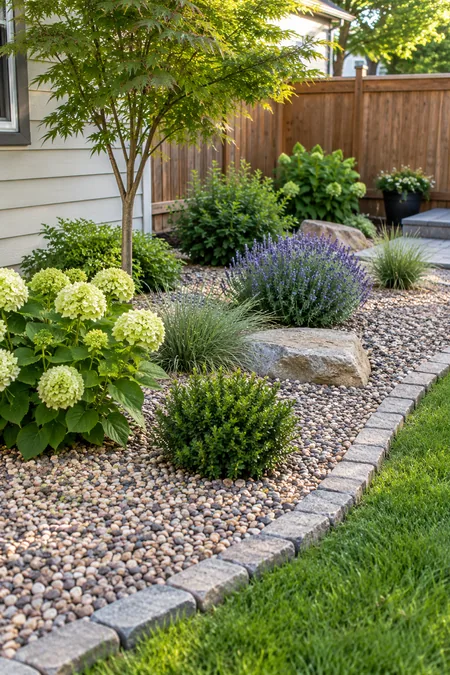
A small flower patch can become a lot of work if it needs constant watering, deadheading, and replanting. If that area is already tiring you out, simplify it.
Remove the plants that do not suit the spot and replace the patch with a few strong plants set in gravel.
Keep the design open.
Use fewer plants, clear spacing, and one simple gravel color.
This can work well in hot or awkward spaces where a full flower bed struggles. The result still feels planted, but there is less soil on show and fewer plants asking for daily attention.
A small flower patch that needs regular watering, deadheading, replanting, and weeding.
A simple gravel bed with fewer tough plants and less open soil to manage.
14. Keep Fast-Spreading Plants in Containers Before They Take Over
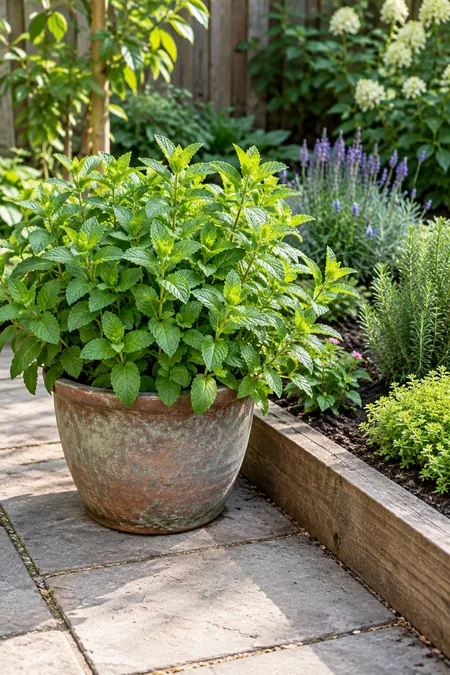
Some plants can spread much faster than you expect. In a small garden, that can turn one easy plant into a big cleanup job.
If you know a plant tends to move around quickly, keeping it in a pot can make it easier to control.
This works well for plants you still want to enjoy without giving them the whole bed.
Place the container where it gets the right light, and check that the plant still has enough room to grow.
A low maintenance small garden is easier to manage when every plant stays roughly where you planned it.
⚠️ Watch Out
If a plant is known to spread quickly, keeping it in its own container can be much easier than pulling it out of places where you never wanted it.
15. Use Raised Beds to Keep a Tiny Garden Neat and Defined
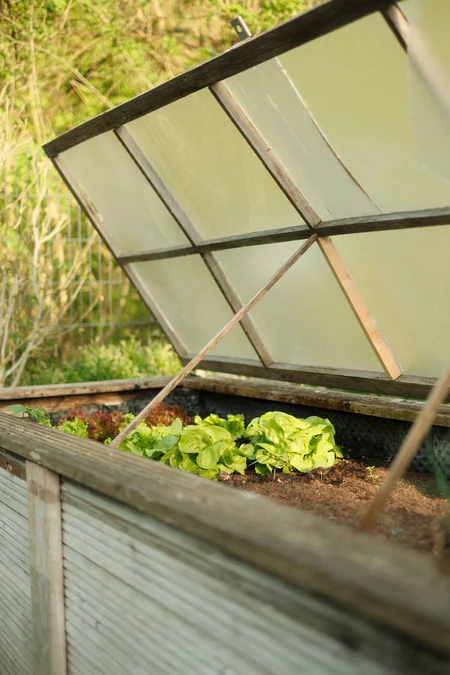
A raised bed gives a small garden a clear shape. Instead of plants spreading across the whole space, everything stays inside one easy-to-see area.
This can make basic care feel simpler.
A raised bed is useful when you want:
- One clear planting zone
- Easier access to the soil
- A neat edge without constant cutting
- A simple place to group plants with similar needs
Do not build more beds than you have time to manage. One small raised bed can be enough.
Fill it with a simple mix of plants instead of turning it into another crowded space. Before you buy soil, the Container Soil & Grow Bag Calculator can work out exactly how much a small bed needs.
16. Choose Slow-Growing Shrubs for Tight Corners and Borders
Fast-growing shrubs can become a trimming job very quickly in a small garden. A slower-growing plant is often easier to keep neat because it takes longer to outgrow the space.
Before planting, check the mature size instead of only looking at the plant in the nursery pot.
A slower-growing shrub works well when:
- The border is narrow
- The corner is close to a path
- You do not want regular heavy pruning
- You need steady shape through the year
The goal is to choose a plant that fits the space naturally, so you are not always cutting it back.
| Slow-Growing Shrub | Fast-Growing Shrub |
|---|---|
| Usually easier to fit into a tight area. | May outgrow a small corner quickly. |
| Often needs less frequent trimming. | May need regular pruning to stay in shape. |
| Good for narrow borders and paths. | Better where there is more room to spread. |
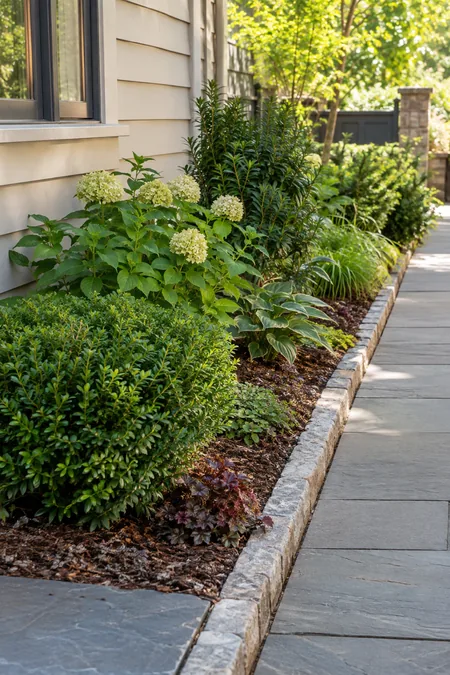
17. Plant in Repeating Groups Instead of One of Everything
A garden filled with one of every plant can be harder to care for because each plant may need something different.
Repeating the same few plants makes the space simpler.
Try this approach:
- Pick two or three plants that suit the conditions.
- Use them again in small groups.
- Leave clear space between each group.
- Add only a few extra plants for interest.
This also makes the garden easier to read at a glance. You can see what belongs where, and weeds stand out more clearly.
Repeating plants may sound basic, but in a small garden it can make the whole area look calmer and easier to manage.
Repeat the same reliable plants in small groups.
Keep the number of plant types simple.
Do not buy a different plant for every open space.
Do not make care harder just to add more variety.
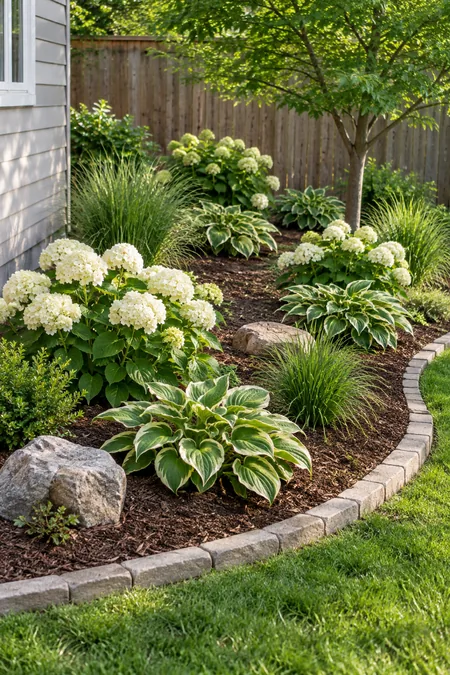
18. Use a Simple Trellis to Keep Climbers Off the Ground
Climbing plants can quickly become messy when their stems spread across paths or nearby plants. A basic trellis gives them one clear place to grow.
It does not need to be large or decorative.
For an easy setup:
- Place the trellis close to the plant.
- Guide young stems toward the support.
- Tie loose growth gently when needed.
- Trim back stems that grow into unwanted areas.
This keeps more of the growth upright and makes the base of the plant easier to reach.
In a small garden, vertical growth can also give you more greenery without using much ground space.
- ▸Choose a trellis that fits the mature size of the climber.
- ▸Guide new stems upward before they spread across the ground.
- ▸Keep paths and nearby plants clear of loose growth.
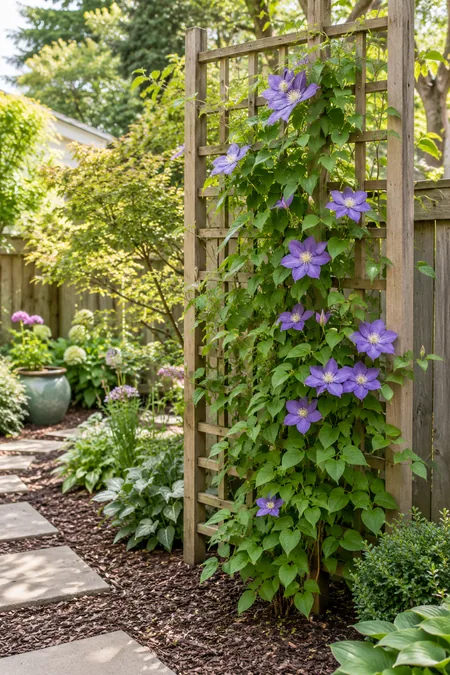
19. Leave Enough Space Between Plants for Their Mature Size
A new garden bed can look too empty at first. That often makes people plant more than the space can handle.
Give the plants time.
If you leave enough room for their mature size, you may have less trimming, moving, and dividing later.
That extra space also makes it easier to:
- Reach the soil
- Pull small weeds
- Check each plant
- See where one plant ends and another begins
Do not plan the garden only for how it looks today.
A little open space at the start can save a lot of work once the plants begin filling out.
A young garden does not need to look full on the first day. Leave enough space for the plants you chose to grow into their natural size.
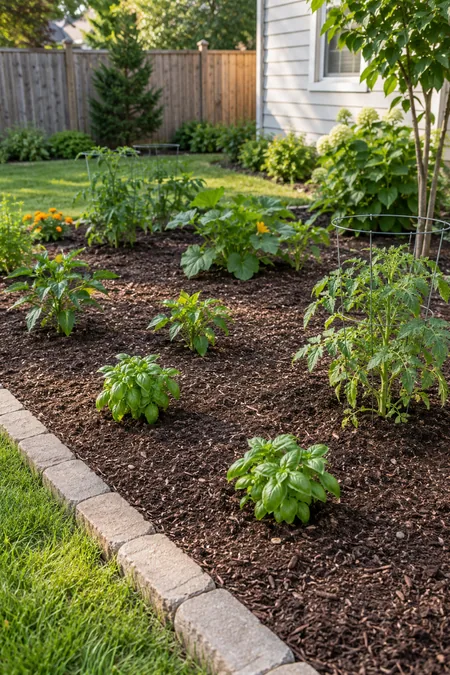
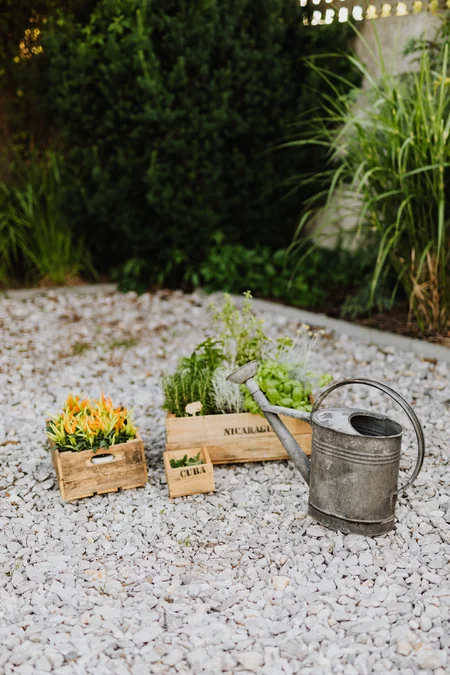
20. Keep Your Most-Used Herbs Together in One Easy-Care Bed
Choose one small bed, raised planter, or large container that is easy to reach.
Start with the herbs you actually use:
- Parsley
- Chives
- Thyme
- Rosemary
- Other favorites that suit the same growing spot
Do not add every herb you see at the garden center.
A smaller group is easier to manage, and you are more likely to cut the herbs when they are all growing in one clear place.
Keep your herb bed simple
21. Use Ornamental Grasses to Fill Space With Less Fuss
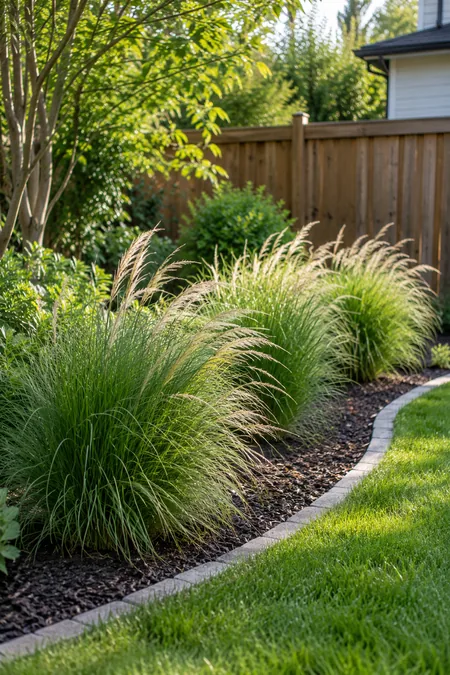
Ornamental grasses can fill a small garden without making it feel crowded. Their soft leaves add movement, and many types keep a neat shape without constant trimming.
Use them where you need simple texture rather than another flower bed.
A few good places include:
- Along a short path
- Near a patio edge
- In a sunny corner
- Beside simple evergreen shrubs
Choose grasses that fit the mature size of your space and suit your local conditions.
One or two repeating types usually look better in a small garden than many different kinds packed together.
22. Set Up a Simple Watering Routine Instead of Watering at Random
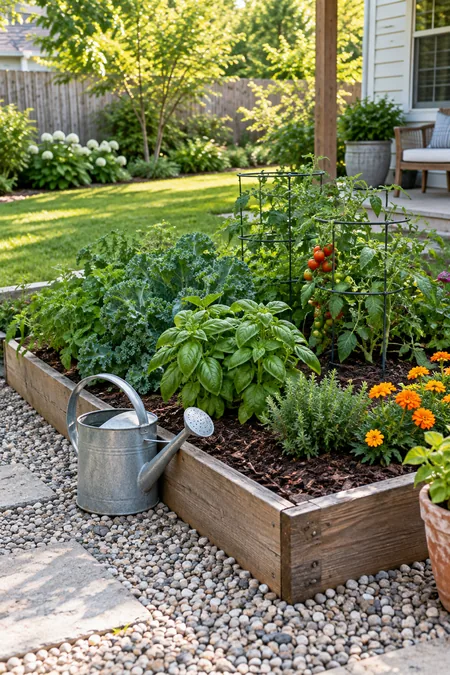
Random watering can lead to more work because some plants get too much while others are forgotten. A simple routine helps you check the garden in a more organized way.
Keep it flexible rather than following the calendar without looking at the soil.
Try this:
- Check the soil before watering.
- Water the plants that actually need it.
- Pay extra attention to containers, which can dry faster.
- Change your routine when the weather changes.
The goal is not to water on the same day forever. It is to make checking the garden part of a simple habit instead of a last-minute job.
Check the soil before deciding what needs water.
Water the areas that need it instead of treating the whole garden the same.
Adjust the routine when rain, heat, or cooler weather changes how quickly soil dries.
23. Replace a Crowded Garden Corner With Fewer, Stronger Plants
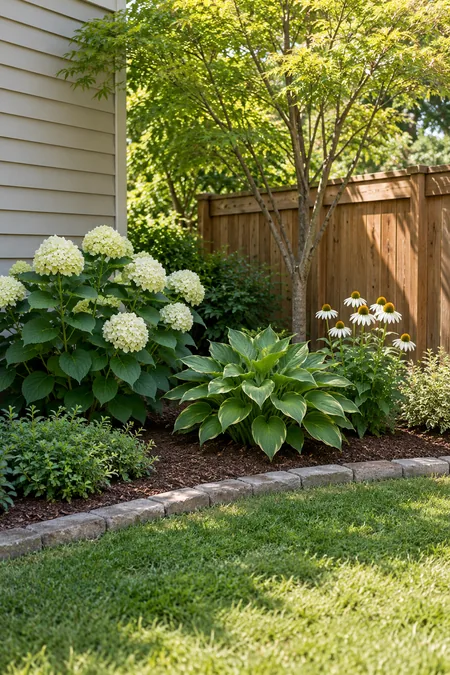
A crowded corner may look full, but it can take more work than a simpler planting. Plants compete for space, weeds hide underneath, and trimming becomes harder.
If one part of the garden always feels messy, remove the weakest or most troublesome plants first.
Then keep a smaller group that:
- Suits the light
- Fits the available space
- Looks good together
- Does not need constant cutting back
Leave mulch or ground cover between the remaining plants.
Fewer healthy plants can make a small garden look more planned, and you gain enough room to reach everything when basic care is needed.
Too many plants fighting for one small corner, with tangled growth and little room to reach the soil.
A smaller group of healthy plants with clear spacing, tidy mulch, and room to work around them.
24. Build a Low Maintenance Small Garden Around Five Easy Plants You Can Actually Maintain
You do not need dozens of plants to make a small garden feel full. Five reliable plants can give you structure, color, and texture without creating a long care list.
Choose each plant for a clear job.
You might pick one compact evergreen, one flowering perennial, one ornamental grass, one ground cover, and one useful herb.
Then repeat them where needed instead of adding more varieties.
The easier the plant list is to remember, the easier the garden is to care for.
Pick plants that suit your local light, soil, and weather, and let a simple plan do most of the work.
💡 Keep It Simple
Start with a short plant list that fits your garden conditions. You can always add something later if the space is still easy to manage.
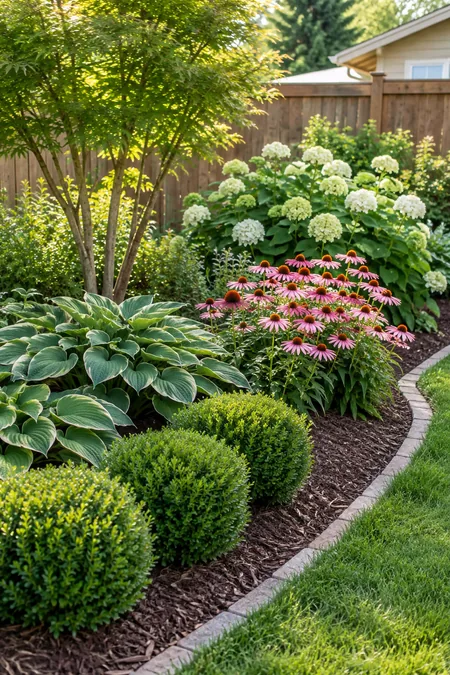
A Low Maintenance Small Garden Does Not Need to Take Over Your Weekends
A low maintenance small garden becomes easier to enjoy when every plant and feature has a reason to be there. You do not need to change everything at once. Start with the job that takes the most time, whether that is watering, weeding, mowing, or trimming.
The best low maintenance small garden ideas are usually simple ones: fewer plant types, better spacing, covered soil, easy watering, and plants that suit the place where they grow.
Make one change, see how it works, then simplify the next problem area.
Save this list to Pinterest so you can come back to these ideas when you are ready to make your small garden easier to care for.